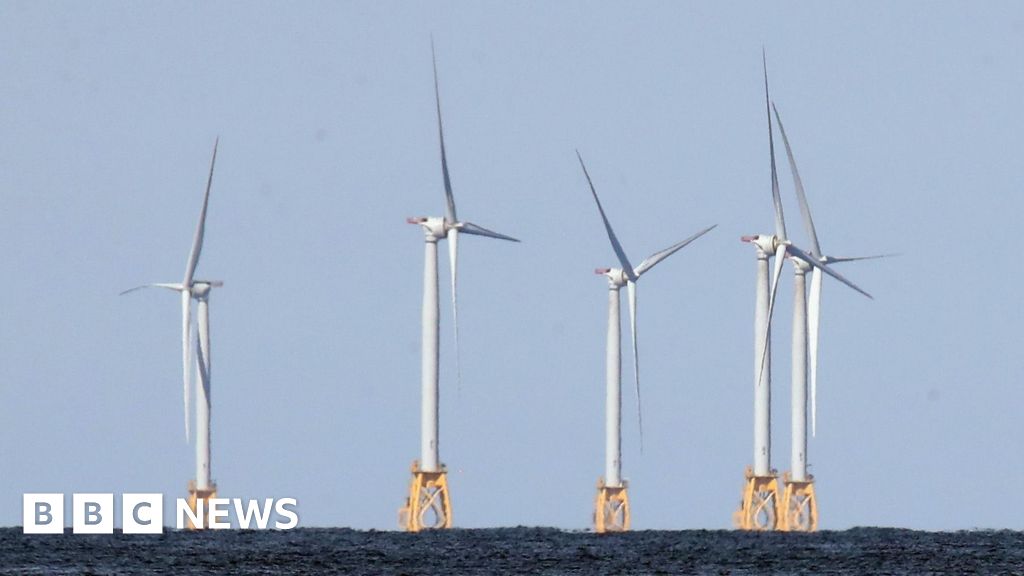
The United States government has reached a massive 1.2 billion dollar settlement with German energy giant RWE to effectively shut down the company’s offshore wind ambitions across the country. In a move that signals a sharp pivot in national energy policy, RWE will relinquish its leases off the coasts of California and Louisiana, as well as those in the New York Bight. The company admitted there is currently no viable path toward permitting these renewable projects under the current administration, opting instead to take a significant payout to walk away from the wind sector.
Rather than exiting the American market entirely, RWE intends to shift its focus back toward traditional fuels. A staggering 900 million dollars of the payout will be funneled directly into a liquefied natural gas export terminal in Louisiana. This transition is part of a broader strategy by the German firm to invest nearly 20 billion dollars into U.S. generation capacity over the next six years, trading green infrastructure for conventional gas projects that align more closely with federal priorities.
This agreement follows a pattern of aggressive deregulation and opposition toward wind energy led by President Donald Trump, who has frequently mocked turbines as big and ugly eyesores during his campaign rallies. Interior Secretary Doug Burgum championed the deal on social media, arguing that the U.S. needs an energy system rooted in common sense rather than costly subsidies, while praising RWE for investing in projects that enhance national energy security through fossil fuels.
The exit of RWE is not an isolated incident but part of a systematic dismantling of offshore wind initiatives across several states. Similar deals have already been struck with other major players, including France’s TotalEnergies and North Carolina’s Duke Energy, both of whom agreed to terminate their wind leases in exchange for shifting investments toward oil and gas plants in Texas and the Gulf of Mexico. These maneuvers underscore a concerted effort by the White House to prioritize upstream oil production and LNG exports over renewable sea-based power.