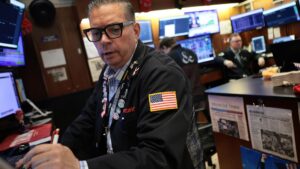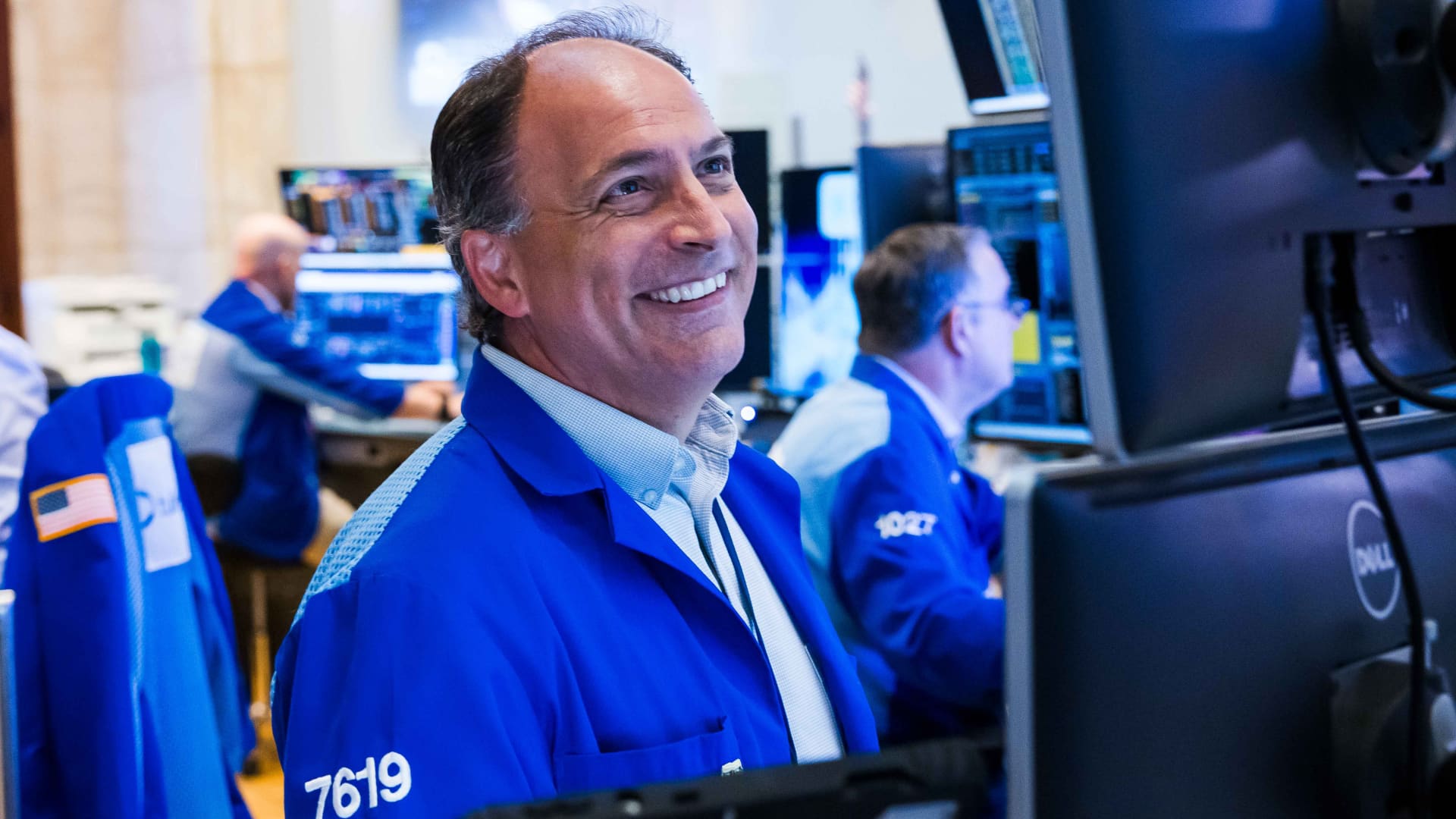
Wall Street opened on a positive note Friday as investors reacted to a surprising contraction in the labor market. Nonfarm payrolls unexpectedly dropped by 23,000 jobs in July, falling sharply short of the 83,000 gain economists had predicted. This cooling trend led traders to bet that the Federal Reserve will steer away from hiking interest rates, providing a boost to major indices. The S&P 500 and Nasdaq Composite both climbed shortly after the opening bell, while the Dow Jones Industrial Average managed modest gains despite the volatile economic backdrop.
While some analysts expressed concern over the shrinking payrolls, others remained cautiously optimistic. Richard Fisher, former president of the Federal Reserve Bank of Dallas, noted that he wasn’t particularly disappointed by the figures, suggesting that slowing wage growth might actually help curb inflation without crashing the economy. However, Fisher warned that the central bank could still lean toward a hawkish stance in September or later this fall depending on incoming inflation data. Meanwhile, precious metals capitalized on the uncertainty, with gold and silver posting some of their strongest weekly performances in months.
In corporate news, Airbnb surged to a four year high after reporting results that beat analyst expectations and raising its full year guidance. CEO Brian Chesky credited artificial intelligence for much of this success, revealing that nearly half of guests interacting with AI agents no longer feel the need to speak with a human representative. The travel giant also saw its fastest growth in first time bookers in four years, sending shares up nearly 16 percent during early trading hours.
Other significant movements occurred across various sectors as earnings reports rolled in. Atlassian and Twilio both saw double digit surges following strong quarterly beats and improved future projections. On the other hand, Wendy’s faced downward pressure after reporting a decline in global sales driven largely by weakness in the United States market. Additionally, First Solar experienced a jump in valuation following new tariffs imposed on Chinese imports, highlighting how geopolitical tensions continue to shape individual stock trajectories amid broader macroeconomic shifts.